
Outstanding IPTV for smart TV Guide 2026

IPTV for smart TV is revolutionizing the way we consume entertainment, transforming our living rooms into dynamic media hubs. As technology continues its relentless march forward, 2026 promises even more sophisticated and integrated experiences for those embracing IPTV for smart TV. This comprehensive guide will delve into everything you need to know about harnessing the power of IPTV for smart TV, from understanding its core principles to optimizing your viewing pleasure and navigating the evolving landscape of digital television. Get ready to unlock a world of personalized content, live channels, and on-demand libraries directly on your smart television screen.
Table of ContentsUnderstanding IPTV for Smart TV: The Future of EntertainmentSetting Up IPTV for Smart TV: A Step-by-Step GuideOptimizing Your IPTV for Smart TV ExperienceKey Features to Look for in IPTV for Smart TV ProvidersThe Evolving Landscape of IPTV for Smart TV in 2026Troubleshooting Common IPTV for Smart TV IssuesChoosing the Right IPTV for Smart TV SubscriptionFAQs About IPTV for Smart TVRelated IPTV Services
Understanding IPTV for Smart TV: The Future of Entertainment
Internet Protocol Television (IPTV) is essentially television delivered over the internet, rather than through traditional cable or satellite formats. When integrated with a smart TV, it offers unparalleled convenience and a vast array of content. Unlike streaming services that primarily offer on-demand content, IPTV can deliver live TV channels, video on demand (VOD), and even time-shifted media (catch-up TV). This makes IPTV for smart TV a truly versatile entertainment solution.
The beauty of IPTV for smart TV lies in its ability to leverage your existing internet connection. This eliminates the need for bulky set-top boxes from traditional providers and often provides a more cost-effective alternative. Smart TVs, with their built-in operating systems and internet connectivity, are perfectly poised to become the central hub for IPTV consumption. In 2026, we’re seeing an even greater convergence of these technologies, leading to seamless user experiences and richer content offerings.
With IPTV for smart TV, you’re not just watching TV; you’re interacting with a personalized media platform. Many providers offer customizable channel lists, parental controls, and multi-device support, ensuring that your viewing experience is tailored to your preferences. The flexibility and extensive content libraries available through IPTV for smart TV are what set it apart from conventional television services, making it an increasingly popular choice for households worldwide.
Choosing the right IPTV service for your smart TV involves considering various factors, including channel availability, streaming quality, and customer support. It’s not just about getting a lot of channels; it’s about getting the right channels in the best possible quality. As we move further into 2026, the competition among IPTV providers is driving innovation, leading to better services and more competitive pricing for IPTV for smart TV.
Setting Up IPTV for Smart TV: A Step-by-Step Guide
Getting started with IPTV for smart TV is surprisingly straightforward, though the exact steps might vary slightly depending on your smart TV’s brand and operating system (e.g., Android TV, WebOS, Tizen). The first step is to ensure your smart TV is connected to a stable and high-speed internet connection. A strong Wi-Fi signal or an Ethernet cable connection is crucial for uninterrupted streaming and optimal picture quality when using IPTV for smart TV.
Next, you’ll need to choose an IPTV provider. This is perhaps the most critical decision. Look for providers that offer a good selection of channels relevant to your interests, reliable service, and excellent customer support. Once you’ve subscribed, the provider will typically give you an M3U playlist URL, an Xtream Codes API login, or a dedicated application. These are the credentials you’ll use to access their service on your smart TV.
For most smart TVs, you’ll need to download an IPTV player application from your TV’s app store. Popular options include Smart IPTV (SIPTV), GSE Smart IPTV, TiviMate (for Android TV), and SS IPTV. Once installed, open the application and follow the on-screen instructions to add your IPTV subscription details. This usually involves entering the M3U URL or your Xtream Codes login information. Some providers even offer their own branded apps, simplifying the process for their subscribers using IPTV for smart TV.
After successfully entering your details, the application will load the channel list and VOD library. You should then be able to browse through the channels and start watching. It’s a good idea to test a few different channels and on-demand content to ensure everything is working correctly. If you encounter any issues, refer to your IPTV provider’s support documentation or contact their customer service. The ease of setting up IPTV for smart TV is one of its major appeals.
Optimizing Your IPTV for Smart TV Experience
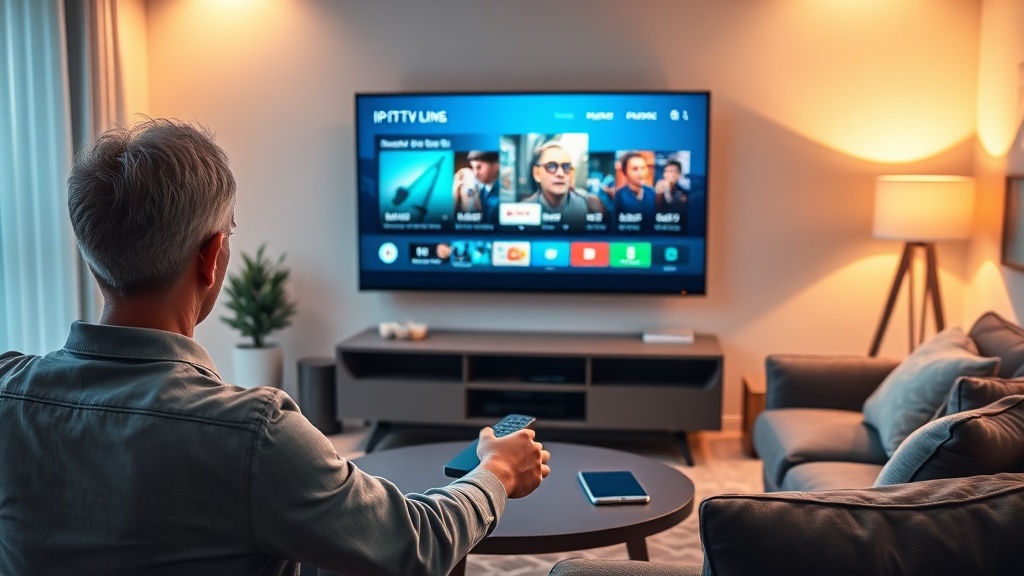
To truly get the most out of your IPTV for smart TV, optimization is key. A high-speed internet connection is paramount. For HD streaming, a minimum of 20-25 Mbps is recommended, and for 4K content, you’ll want at least 50 Mbps. If you’re experiencing buffering, try connecting your smart TV directly to your router via an Ethernet cable, as this provides a more stable and faster connection than Wi-Fi. This simple step can significantly improve your IPTV for smart TV experience.
Router quality also plays a significant role. An older or less powerful router might struggle to handle the bandwidth required for high-quality IPTV streaming, especially if multiple devices are connected to your network. Consider upgrading to a modern router that supports Wi-Fi 6 or even Wi-Fi 7 for future-proofing, ensuring a robust network for your IPTV for smart TV and other connected devices.
Regularly updating your smart TV’s firmware and your IPTV player application is another crucial optimization step. Software updates often include performance enhancements, bug fixes, and new features that can improve stability and overall user experience. Neglecting these updates can lead to compatibility issues or suboptimal performance with your IPTV for smart TV.
Finally, explore the settings within your chosen IPTV player app. Many apps offer options to adjust buffer size, video decoding preferences, and aspect ratios. Experimenting with these settings can sometimes resolve specific playback issues or enhance picture quality. A well-configured IPTV for smart TV setup will provide a smooth, high-definition viewing experience that rivals traditional cable or satellite.
Key Features to Look for in IPTV for Smart TV Providers
When selecting an IPTV provider for your smart TV in 2026, several key features should guide your decision. First and foremost is content variety. Does the provider offer the channels you care about, including local, international, sports, and movie channels? A diverse content library ensures that everyone in the household finds something they enjoy, making the IPTV for smart TV a central entertainment hub.
Reliability and server stability are critical. Nothing is more frustrating than constant buffering or service outages. Look for providers with a reputation for stable servers and high uptime. Reviews and testimonials from other users can be a valuable resource here. A robust infrastructure is essential for a consistent IPTV for smart TV experience.
HD and 4K streaming quality is another non-negotiable feature. As smart TV technology advances, viewers expect crystal-clear picture quality. Ensure your chosen provider offers a significant portion of its content in high definition, and ideally, a growing selection in 4K, to fully utilize your smart TV’s capabilities with IPTV for smart TV.
Customer support is often overlooked until it’s needed. A responsive and knowledgeable support team can make all the difference when you encounter technical issues or have questions about your service. Check for providers that offer multiple support channels, such as live chat, email, or phone support. A provider that stands by its service is crucial for a positive IPTV for smart TV experience.
The Evolving Landscape of IPTV for Smart TV in 2026
The world of IPTV for smart TV is constantly evolving, with 2026 bringing new trends and technologies to the forefront. One significant development is the increasing integration of AI-powered recommendation engines. These systems learn your viewing habits and suggest content you’re likely to enjoy, making content discovery more efficient and personalized. This enhanced personalization is a major step forward for IPTV for smart TV.
Another trend is the rise of cloud-based DVR services. Instead of relying on local storage, users can record their favorite shows directly to the cloud, accessible from any device. This adds immense flexibility to time-shifted viewing and further blurs the lines between live TV and on-demand content within the IPTV for smart TV ecosystem.
Enhanced interactivity is also on the horizon. Imagine being able to vote on live shows, participate in polls, or even make purchases directly through your IPTV for smart TV interface. These interactive elements will transform passive viewing into an engaging experience, offering new dimensions to entertainment consumption.
Finally, expect continued advancements in streaming compression technologies. This will allow for higher quality streams at lower bandwidth requirements, making 4K and even 8K content more accessible to a wider audience without sacrificing performance. The future of IPTV for smart TV is bright, promising an even richer and more immersive entertainment landscape.
Troubleshooting Common IPTV for Smart TV Issues
Even with the best setup, you might occasionally encounter issues with your IPTV for smart TV. One of the most common problems is buffering. As discussed, this is often related to internet speed or Wi-Fi signal strength. First, try restarting your router and smart TV. If the problem persists, connect via Ethernet if possible. You can also try reducing the stream quality settings within your IPTV player app. This can often resolve buffering issues for IPTV for smart TV.
Another frequent issue is channels not loading or showing a black screen. This could be due to several reasons. First, ensure your subscription is active and hasn’t expired. Check your internet connection. If both are fine, try clearing the cache of your IPTV player app or reinstalling it. Sometimes, the issue might be on the provider’s side, so checking their service status page or contacting support is advisable. A quick check of your IPTV for smart TV provider’s support page can often resolve these issues.
Login errors can also occur. Double-check your username, password, or M3U URL for any typos. Ensure you’re using the correct login method (e.g., Xtream Codes vs. M3U). If you’ve recently changed your password, make sure to update it in your IPTV app. If all else fails, a full reset of the app and re-entering your credentials can often fix persistent login problems with IPTV for smart TV.
Audio-video sync issues are less common but can be frustrating. This might be a problem with the specific content stream, your smart TV’s audio settings, or the IPTV app. Try switching to a different channel or VOD title to see if the problem is widespread. Check your TV’s audio delay settings. If the issue persists across all content, reinstalling the app or contacting your provider for assistance with your IPTV for smart TV setup might be necessary.
Choosing the Right IPTV for Smart TV Subscription
Selecting the perfect IPTV for smart TV subscription requires careful consideration of your individual needs and preferences. The first step is to assess the types of content you watch most frequently. Are you a sports fanatic, a movie buff, or someone who enjoys a wide variety of international channels? Different providers specialize in different niches, so aligning with one that matches your viewing habits is crucial for a satisfying IPTV for smart TV experience.
Consider the number of connections allowed. Many households have multiple smart TVs or wish to watch IPTV on other devices like phones or tablets. Check if the subscription supports multiple simultaneous streams and if there’s an additional cost for extra connections. This flexibility can be a significant factor in your overall enjoyment of IPTV for smart TV.
Pricing is, of course, a major factor. While IPTV is generally more affordable than traditional cable, prices can vary significantly between providers. Look for transparent pricing with no hidden fees. Many providers offer trial periods, which are an excellent way to test the service’s quality and channel lineup before committing to a longer subscription for your IPTV for smart TV.
Finally, read reviews and do your due diligence. While individual experiences can vary, a consistent pattern of positive reviews regarding reliability, customer support, and content quality is a strong indicator of a reputable provider. Be wary of deals that seem too good to be true, as they often are. A well-researched decision will lead to a long-lasting and enjoyable IPTV for smart TV experience.
FAQs About IPTV for Smart TV
What is IPTV for smart TV?
IPTV for smart TV refers to the delivery of television content over the internet to your smart television, allowing you to access live channels, video-on-demand, and other media without traditional cable or satellite connections. It leverages your smart TV’s internet connectivity and operating system to provide a seamless entertainment experience.
Is IPTV for smart TV legal?
The legality of IPTV for smart TV depends on the provider. Legitimate IPTV services license their content and operate within copyright laws. However, there are also illicit services that offer pirated content. Always choose a reputable provider to ensure you are using a legal service. Websites like iptvput.com aim to provide legitimate services.
What internet speed do I need for IPTV for smart TV?
For standard definition (SD) content, about 5-10 Mbps is usually sufficient. For high-definition (HD) IPTV for smart TV, 20-25 Mbps is recommended. If you plan to stream 4K content, you’ll need at least 50 Mbps, ideally more, for a smooth and buffer-free experience.
Can I record shows with IPTV for smart TV?
Many IPTV providers offer cloud-based DVR (Digital Video Recorder) functionality, allowing you to record live shows and watch them later. The availability and features of DVR services vary by provider, so check with your chosen service. Some IPTV player apps also have local recording capabilities if your smart TV supports external storage.
What are the best IPTV apps for smart TV?
Popular IPTV player apps for smart TVs include Smart IPTV (SIPTV), GSE Smart IPTV, TiviMate (especially for Android TV), and SS IPTV. The “best” app often depends on your smart TV’s operating system and your personal preferences for interface and features. Many providers also offer their own dedicated applications for a more integrated IPTV for smart TV experience.
Related IPTV Services
You may also visit the following websites for similar services:
Related Articles
Interested in IPTV Lifetime?
Get premium IPTV lifetime access with 25,000+ channels and 26,000+ movies. Contact us to learn more about our lifetime IPTV subscription plans.
View IPTV Lifetime Plans