
Proven IPTV comparison Guide 2026

IPTV comparison is more crucial now than ever. With the rapid evolution of digital streaming, navigating the vast landscape of Internet Protocol Television (IPTV) providers can feel overwhelming. This comprehensive guide aims to simplify the process of IPTV comparison in 2026, equipping you with the knowledge and tools to make an informed decision. We’ll delve into the key aspects to consider, from channel availability and pricing to device compatibility and customer support, ensuring you find the perfect IPTV solution tailored to your entertainment needs. A thorough IPTV comparison is essential for a seamless viewing experience.
Table of ContentsUnderstanding the IPTV Landscape in 2026Key Metrics for an Effective IPTV ComparisonThe Importance of Device Compatibility in IPTV ComparisonAdvanced Features to Consider During IPTV ComparisonThe Future of IPTV Comparison: What to Expect in 2026 and BeyondMaking Your Final IPTV Comparison DecisionFrequently Asked Questions About IPTV ComparisonRelated IPTV Services
Understanding the IPTV Landscape in 2026
The year 2026 marks a significant milestone in the IPTV industry. Technological advancements have led to more robust streaming infrastructures, offering higher quality content, lower latency, and an unprecedented array of channels from around the globe. This dynamic environment, while exciting, also means a greater need for careful IPTV comparison. New providers emerge regularly, each promising the best service, making it challenging to differentiate between genuine value and mere hype.
As traditional cable and satellite services continue their decline, IPTV has solidified its position as the future of television. Its flexibility, cost-effectiveness, and diverse content offerings appeal to a broad audience, from casual viewers to dedicated sports fans and international content enthusiasts. However, not all IPTV services are created equal, necessitating a detailed IPTV comparison to avoid pitfalls and ensure satisfaction.
Factors like internet speed, device compatibility, and regional restrictions play a vital role in your overall IPTV experience. A service that works flawlessly for one user might be problematic for another, highlighting the personalized nature of an effective IPTV comparison. We’ll explore these nuances to help you identify a provider that aligns perfectly with your specific setup and preferences.
Furthermore, regulatory changes and evolving content licensing agreements constantly reshape the available channels and features of various IPTV providers. Staying updated on these trends is part of a smart IPTV comparison strategy, ensuring your chosen service remains compliant and continues to deliver the content you desire.
Key Metrics for an Effective IPTV Comparison
When embarking on an IPTV comparison, several critical metrics should guide your decision-making process. These aren’t just arbitrary points; they directly impact the quality, reliability, and value of your streaming experience. Ignoring any of these could lead to frustration and buyer’s remorse.
Firstly, channel lineup and content variety are paramount. Do they offer the specific sports channels, movie networks, or international programming you’re looking for? A comprehensive IPTV comparison of channel offerings is essential. Some providers specialize in certain niches, while others offer a broad spectrum. Don’t just count the number of channels; verify the quality and relevance of those channels to your interests.
Secondly, pricing and subscription models vary significantly. Some offer monthly subscriptions, others quarterly or annual plans, often with discounts for longer commitments. Be wary of unbelievably cheap offers, as they can sometimes indicate unreliable service or illegal content. A proper IPTV comparison includes not just the upfront cost but also any hidden fees, trial periods, and cancellation policies.
Thirdly, streaming quality and reliability are non-negotiable. Look for providers that offer HD, Full HD, and even 4K streaming options, depending on your internet speed and display capabilities. More importantly, assess their server stability and uptime. Frequent buffering or service interruptions can quickly ruin your viewing pleasure. User reviews and free trials are invaluable for this aspect of IPTV comparison.
Lastly, consider customer support and technical assistance. When issues arise, prompt and knowledgeable support can make all the difference. Check for multiple contact options (live chat, email, phone) and read testimonials about their responsiveness and problem-solving abilities. This often overlooked aspect is crucial in a thorough IPTV comparison.
The Importance of Device Compatibility in IPTV Comparison
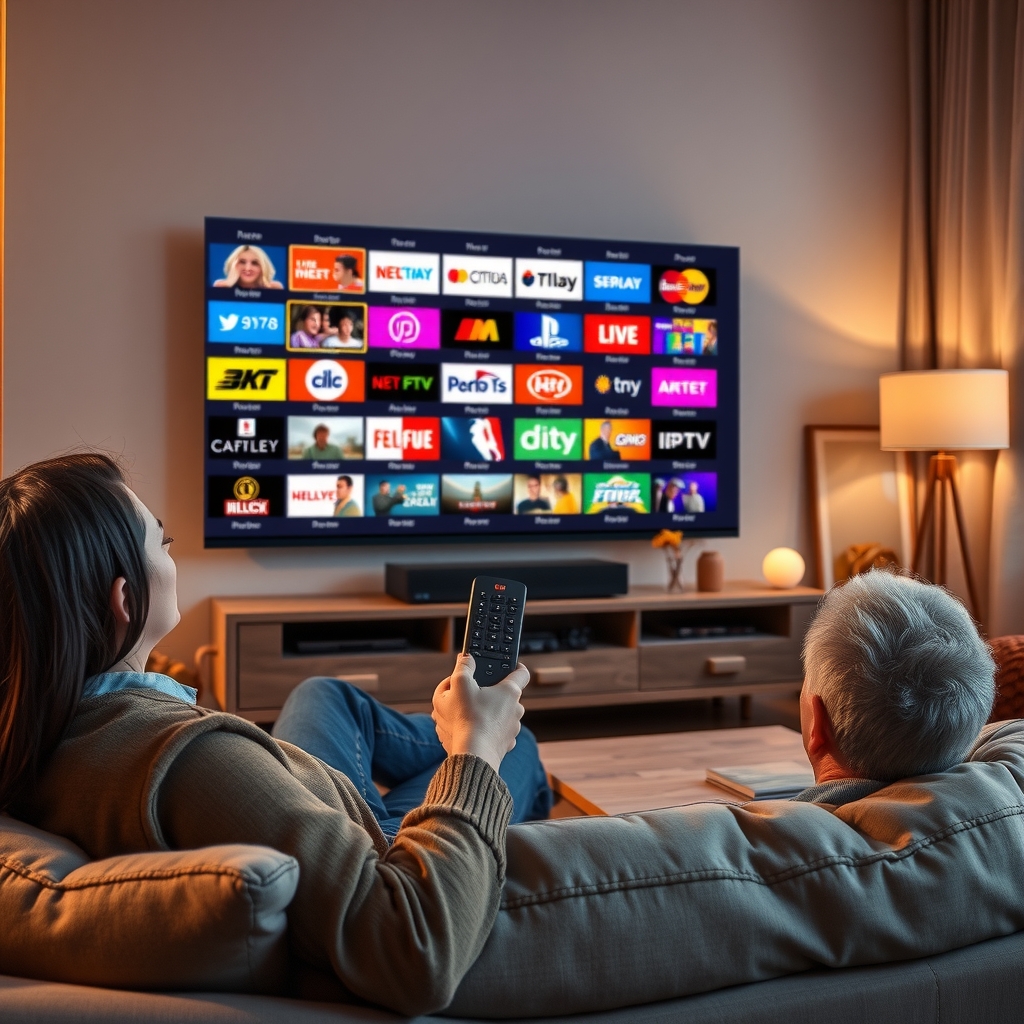
Device compatibility is a cornerstone of a successful IPTV experience and a crucial element in any thorough IPTV comparison. What’s the point of a fantastic channel lineup if you can’t watch it on your preferred devices? The flexibility of IPTV lies in its ability to be accessed across a multitude of platforms, but not all providers support every device.
Before committing to a service, ensure it works seamlessly with your existing hardware. Common devices include Smart TVs (Samsung, LG, Sony), streaming boxes (Amazon Fire TV Stick, Nvidia Shield, Apple TV), Android boxes, smartphones (Android, iOS), tablets, and computers. A good IPTV comparison will clearly outline supported devices and recommended applications.
Some providers offer their own custom apps, which can provide a more integrated and user-friendly experience. Others rely on third-party IPTV players like IPTV Smarters Pro, GSE Smart IPTV, or TiviMate. While these players offer great flexibility, they might require a bit more setup. Understanding these nuances is vital for your IPTV comparison.
Consider multi-device support as well. If you plan to watch on more than one screen simultaneously, check if the provider allows multiple connections, and if so, how many. This is particularly important for households with diverse viewing habits. A robust IPTV comparison will factor in these multi-user scenarios.
Furthermore, evaluate the user interface (UI) and user experience (UX) on different devices. An intuitive interface can significantly enhance your viewing pleasure, making it easy to browse channels, access EPG (Electronic Program Guide), and manage your favorites. Don’t underestimate the impact of a well-designed interface during your IPTV comparison.
Advanced Features to Consider During IPTV Comparison
Beyond the basic offerings, many IPTV providers now boast a range of advanced features that can significantly enhance your viewing pleasure. Incorporating these into your IPTV comparison will help you differentiate between standard services and those that go the extra mile to provide a premium experience.
One highly sought-after feature is Catch-Up TV or Timeshift. This allows you to watch previously aired programs at your convenience, often for a period of 24 to 72 hours after broadcast. For those with busy schedules or who live in different time zones, this can be an invaluable addition. Ensure your IPTV comparison includes services offering this flexibility.
Another popular feature is Video-on-Demand (VoD). Many IPTV providers now include extensive libraries of movies and TV series, effectively combining live TV with a streaming service like Netflix or Hulu. This can offer incredible value, reducing the need for multiple subscriptions. When doing an IPTV comparison, check the size, quality, and update frequency of their VoD library.
EPG (Electronic Program Guide) functionality is also crucial. A well-implemented EPG provides a clear, easy-to-navigate schedule of upcoming programs, often with detailed descriptions. This helps you plan your viewing and discover new content. A poor EPG can make channel surfing a chore. Therefore, a good IPTV comparison should evaluate the quality of the EPG.
Finally, consider features like multi-screen support, parental controls, and VPN compatibility. Multi-screen allows you to watch different content on multiple devices simultaneously, perfect for families. Parental controls are essential for households with children. VPN compatibility ensures your privacy and can help bypass geo-restrictions, though always check the legality of doing so. These advanced features contribute significantly to a comprehensive IPTV comparison.
The Future of IPTV Comparison: What to Expect in 2026 and Beyond
The landscape of IPTV is constantly evolving, and a forward-thinking IPTV comparison must consider future trends. As we move further into 2026, several key developments are set to reshape how we consume digital television, impacting what makes a service truly stand out.
One major trend is the increasing integration of AI and machine learning. Expect more personalized content recommendations, adaptive streaming quality based on network conditions, and even AI-powered search functions that anticipate your viewing preferences. An IPTV comparison in the coming years will need to assess the sophistication of these AI capabilities.
Another significant area of growth is interactive content and augmented reality (AR) experiences. Imagine watching a sports game and being able to access real-time player stats overlayed on your screen, or participating in live polls during a reality show. While still nascent, these features are on the horizon and could become differentiators in future IPTV comparison exercises.
Furthermore, 5G technology will play a crucial role in enhancing mobile IPTV experiences. Faster speeds and lower latency will enable seamless, high-quality streaming on the go, making mobile devices even more central to the IPTV ecosystem. Providers who optimize their services for 5G will gain a significant edge, an important consideration for your IPTV comparison.
Cloud-based DVR and expanded storage options will also become standard. The ability to record and store more of your favorite shows without local hardware limitations will be a major convenience. When performing an IPTV comparison, inquire about the extent and cost of such cloud services. The future of IPTV promises more immersive, personalized, and flexible viewing options, making ongoing IPTV comparison even more vital.
Making Your Final IPTV Comparison Decision
After carefully evaluating all the factors discussed, it’s time to synthesize your findings and make an informed decision. The goal of this extensive IPTV comparison is not just to find a provider, but to find the right provider that perfectly aligns with your specific needs and budget in 2026.
Start by creating a checklist based on your priorities. Is channel variety your top concern, or is it price? Do you need extensive VoD, or are you primarily interested in live sports? Prioritizing these elements will help narrow down your options from the vast pool of IPTV providers available. This systematic approach to IPTV comparison is key.
Take advantage of free trials offered by many services. There’s no better way to assess streaming quality, channel reliability, and user interface than by experiencing it firsthand. A trial period allows you to test the service under your specific internet and device conditions, providing invaluable data for your IPTV comparison before you commit financially.
Read recent reviews and community feedback, but approach them with a critical eye. While a pattern of negative comments should raise red flags, individual complaints might not reflect the overall service. Look for consistent themes regarding uptime, support, and content availability. This social proof is an important, albeit secondary, part of your IPTV comparison.
Finally, consider the long-term value. A slightly more expensive service with excellent reliability, diverse content, and superior customer support might be a better investment than a cheaper option plagued by issues. The ultimate aim of your IPTV comparison is to secure a stable, enjoyable, and value-for-money entertainment solution for years to come.
Frequently Asked Questions About IPTV Comparison
What is IPTV and how does it differ from traditional cable?
IPTV (Internet Protocol Television) delivers television content over IP networks, unlike traditional cable which uses coaxial cables. This allows for greater flexibility, on-demand content, and often a wider range of international channels. A key aspect of IPTV comparison is understanding this fundamental difference and its implications for content delivery and features.
Is IPTV legal?
The legality of IPTV depends on the provider and the content they offer. Licensed IPTV services that have agreements with broadcasters are legal. However, many unlicensed services illegally stream copyrighted content. Always do your due diligence during IPTV comparison to ensure you’re choosing a legitimate provider to avoid legal issues.
What internet speed do I need for IPTV?
For standard definition (SD) content, 5-10 Mbps is usually sufficient. For high definition (HD), 20-30 Mbps is recommended, and for 4K streaming, 50 Mbps or more is ideal. Your internet speed significantly impacts your IPTV experience, so factor this into your IPTV comparison, especially if you plan to stream high-quality content or on multiple devices.
Can I use IPTV on multiple devices simultaneously?
Many IPTV providers offer multi-device support, allowing you to stream on several screens at once, though there’s usually a limit. When doing an IPTV comparison, check the number of simultaneous connections permitted by each service, as this is crucial for households with multiple users.
How do I set up IPTV on my device?
Setup varies depending on the device and provider. Generally, you’ll need to install an IPTV player app (like IPTV Smarters Pro or TiviMate) and then input the M3U URL or Xtream Codes API details provided by your IPTV service. Most reputable providers offer clear setup guides. This ease of setup is another point to consider in your IPTV comparison.
Related IPTV Services
You may also visit the following websites for similar services:
Related Articles
Interested in IPTV Lifetime?
Get premium IPTV lifetime access with 25,000+ channels and 26,000+ movies. Contact us to learn more about our lifetime IPTV subscription plans.
View IPTV Lifetime Plans